
Yuma County Multi-Day Arrest Log
No official Yuma County page promises a tidy 72-hour or weekly arrest rundown. Start instead with the YCSO inmate portal. There you set a Booking From Date and Booking To Date. Together they span the period you want. A three-day or seven-day arrest query is simply a window you define over live records. The county has certified no archive here. Multi-day ranges shine after a weekend. They cross calendar lines and give late-posted bookings time to surface. Keep an eye on the In Custody switch. With it selected, the portal shows who is in custody now within your results, not everyone booked in the range. Someone released earlier may drop from the default view. Widen the filters, though, and an older booking can reappear.
Read Yuma County Arrest Records
Begin with the dates, then work toward the person's full record. Skipping ahead is tempting. A press headline or an unofficial repost is a poor starting point. Those outlets pick which events to cover. Their publication dates can also differ from the actual arrest or booking dates.
- Open the official YCSO inmate inquiry and choose the start and end booking dates.
- Decide whether the question is current custody. Keep In Custody selected only for that purpose.
- Review every results page and note the exact range and search time.
- Open a matching detail record. Compare name, subject number, booking number, booking date, and arresting agency.
- Read charge, bond, facility, release, docket, and photo fields only when the record supplies them.
- Use the court docket for the later outcome and YCSO Records for an older or missing agency record.
For a single day, use the 24 Hour Arrests workflow. This page is about the wider interval. A multi-day Yuma County arrest search can surface entries posted after the first daily check. It still never claims completeness. No search lists every law-enforcement contact in the county.
Yuma Arrest Log Fields
The multi-day search draws on the same county database as the current roster. The list view and the detail screen differ. They show different levels of detail for the same booking. Open the full entry before drawing conclusions. Individual fields shift as custody and court data get updated.
| Field | How to read it |
|---|---|
| Name, subject number | Identity information and the county system key for distinguishing similar names. |
| Booking number, booking date | The particular jail transaction and its recorded date. |
| Custody and release fields | Current status plus scheduled or completed release data when shown; schedules may change. |
| Housing facility | The listed county custody location for that record. |
| Arresting agency | The agency tied to the booking when the detail screen provides it. |
| Charge and offense data | Charges recorded in the entry, not findings of guilt. |
| Bond and docket | Bail information and a court reference, if available. |
| Booking photo | A dated image may appear on an individual detail page, never as proof and not as a gallery. |
The portal can also display race, gender, height, weight, prisoner type, and offense date. Sentence fields, crime class, and disposition also appear. Not every field appears every time. A blank release field does not prove someone is still in custody. And a booking disposition field is no substitute for the court's own case record.
Yuma Weekend Arrest Searches
YCSO publishes no guaranteed weekend, holiday, overnight, or hourly refresh schedule. A Monday arrest search may therefore mix records processed at different points across the weekend. That is a posting pattern. It is not evidence of a crime surge in Yuma County. Count only what your defined portal query returns. Resist turning a shift in visible rows into a trend claim. Release processing opens another gap. A court may order someone released. The detention center still needs time for checks and exit paperwork. Once release is done, that person can vanish from current-custody results. An agency record still persists. The county-wide Yuma County recent-arrests resource untangles the split. It spans roster status, retained booking material, and court disposition.
The YCSO Detention Admitting description names the unit handling booking, release, case-status maintenance, and discharge planning. Those duties matter here. They explain why booking and release changes do not land as a neat daily publication cycle in Yuma County. Arrest records follow operational reality, not a press schedule.
Yuma Arrest Archives and Retention
The inmate portal makes no promise of indefinite online history. For older material, take the official route. That is the YCSO public-records page and its Public Records/Report Request Form. A sharp request speeds things up. Include the person's name and an approximate booking date. Add any known booking or case number, plus the exact item you want. YCSO Records manages public law-enforcement records under A.R.S. §39-121.01 and flags separate rules for commercial use under A.R.S. §39-121.03. Arizona's statewide records schedule adds context, but it does not fix the portal's online lifetime. General series 20837 covers certain adult booking, jail, and detention records not held with a departmental report. The general period runs ten years after last contact. Other booking-related series carry different terms. Juvenile records follow a separate rule. It is age-based. YCSO decides which schedule and access limit governs any given record. The Yuma County Library sheriff's docket collection preserves historical material rather than current booking data.
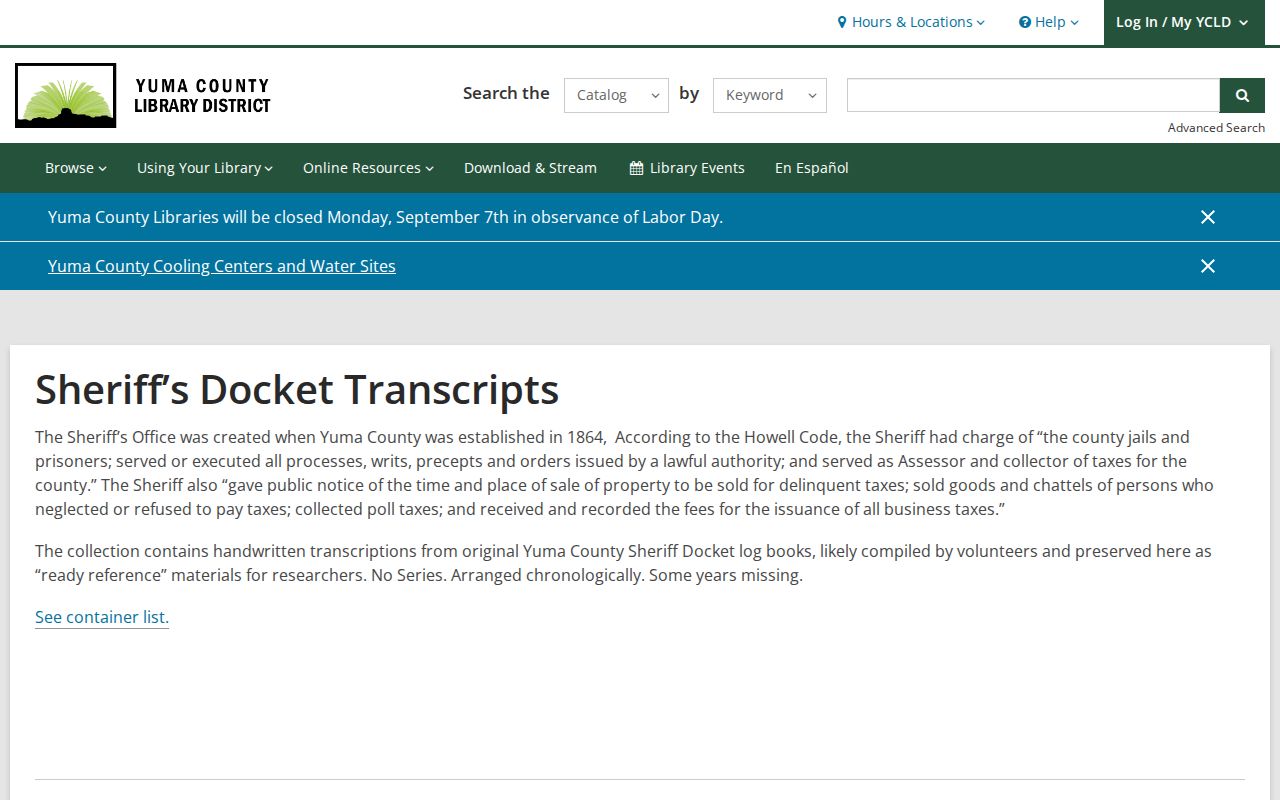
That archive serves historical research well. It cannot confirm a recent arrest. Nor can it confirm current custody in Yuma County. For live questions, the portal and YCSO itself remain the right tools. Old paper and new bookings answer different needs. Note: Sealed, juvenile, restricted, and law-enforcement-sensitive records may be withheld or redacted even while an agency still retains them.
Two Yuma Arrest Information Streams
The YCSO news archive is official. Yet it does a different job than the detention database. Press releases deliver selected incident narratives, enforcement announcements, and agency statements. Routine bookings may never appear. Dates can mislead too. A release may carry an incident or publication date rather than the jail's booking date. Silence in that archive never means no arrest happened. The official YCSO press-release screen shows the narrative format in practice.
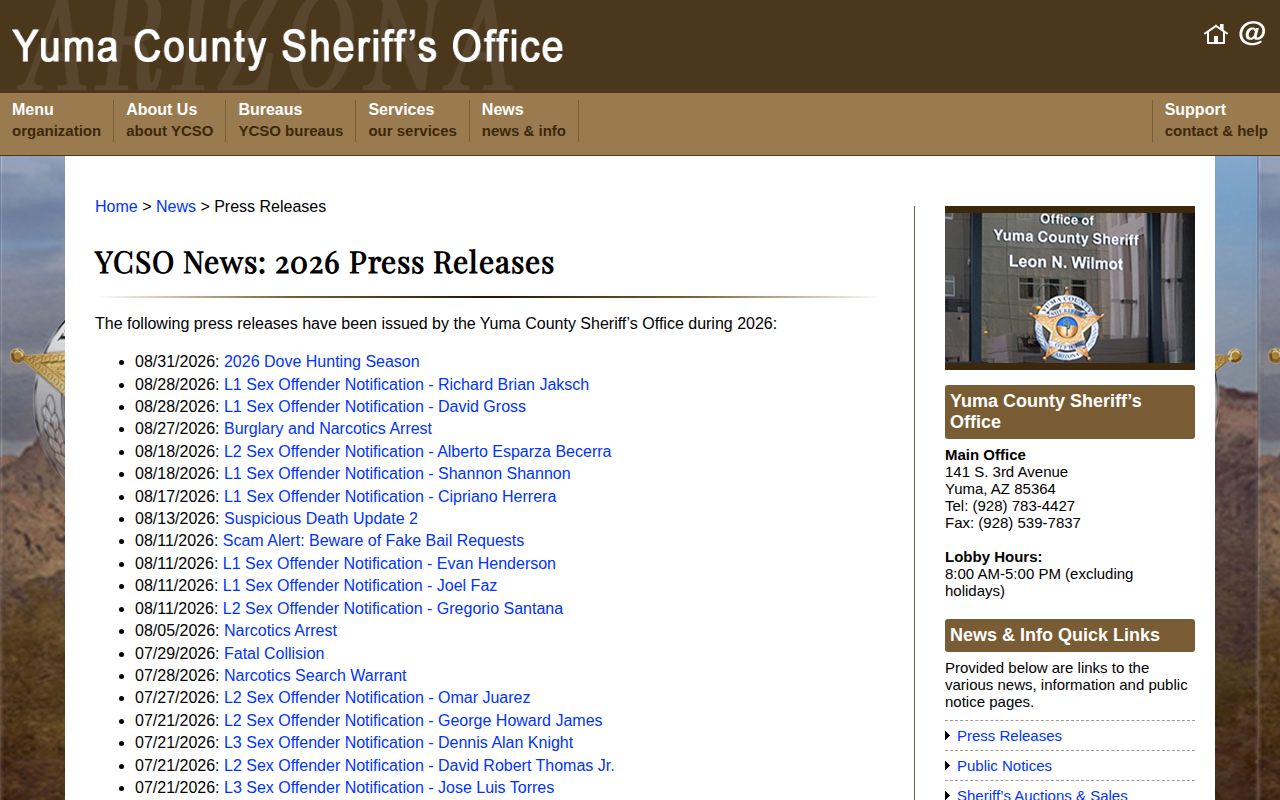
Treat agency announcements as background once the booking source has been checked. They are not a county-wide blotter. News outlets pick their own stories, so coverage will always be partial. KYMA Crime and the Yuma Sun can add useful reporting on Yuma County arrests. That reporting can include later court developments a jail roster never shows. Still, neither one keeps a custody ledger. Unofficial booking indexes carry their own flaws too. Entries can sit stale, repeat, or vanish after a case moves on, and mixing them into the county record only muddies who was actually arrested and when.
San Luis Incident Data Differs
San Luis runs its own stream. The police department there posts a monthly incident and crime report. It describes the report as a live document, meaning officers keep updating a month as reports get finished. That gives solid agency-level context. What it does not give is a booking list with names and photos. The San Luis monthly incident report is worth a look for that municipal picture. Just keep it apart from Yuma County arrest data. Do not treat it as a county trend.
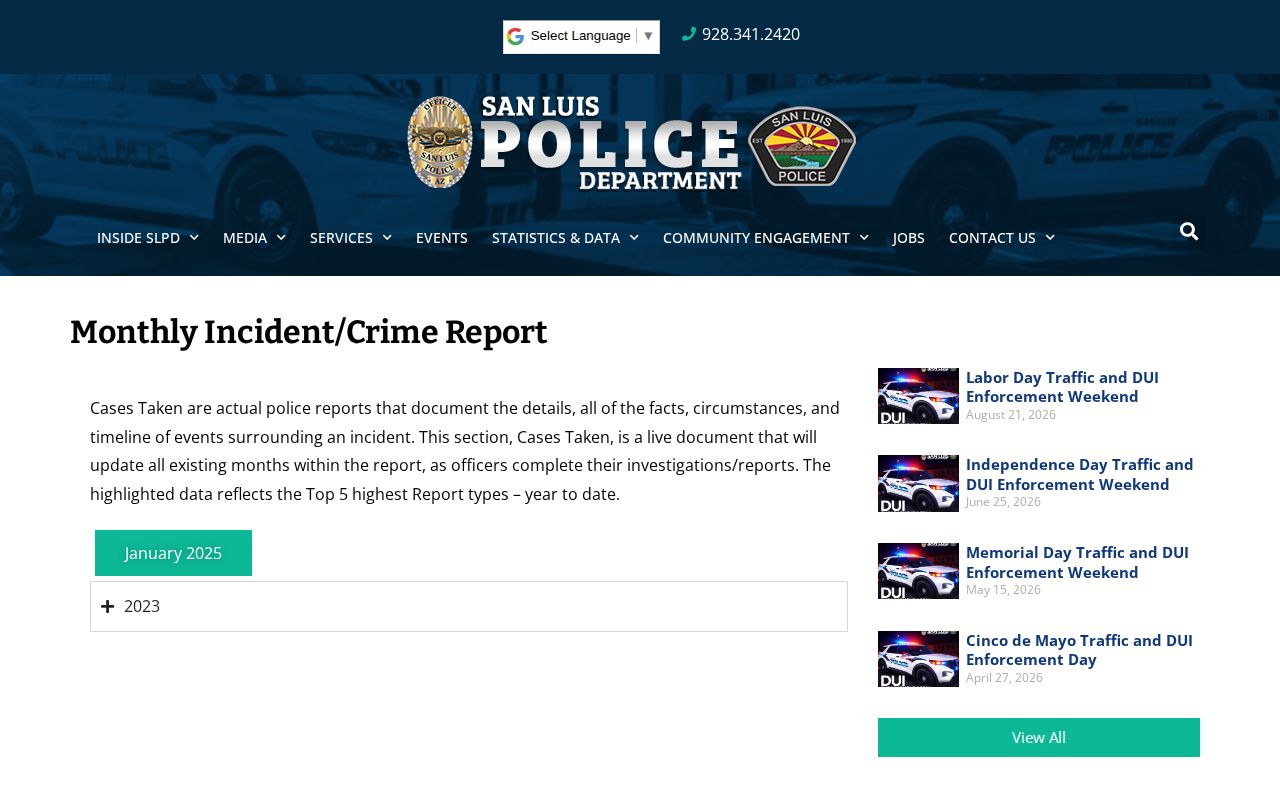
San Luis publishes incident data, not jail data. Its monthly document changes as reports come in. Note the date on any copy you cite. Yuma County recent arrests, by contrast, come from booking records at the county detention center. Keep the two streams apart. A San Luis entry may describe a call or a report. A booking entry means someone was actually taken into custody.
Yuma Police and Somerton Police each keep their own incident records. Neither city department posts a daily booking roster the public can browse. Want the full picture? An arrest log in Yuma County has to pull from several places at once. An agency report tells you what police say happened. A jail booking tells you who is in custody. A court file tells you where the case stands now.
Good notes preserve provenance, meaning the source of each fact. Mark a YCSO portal row as custody data. Call a sheriff press release an agency account. Treat a San Luis document as a monthly incident file. Track the arrest date, booking date, report date, and publication date separately. Those dates mark different stages of the same matter. Blending them together can make an old arrest look brand new.
Public Record Search
Sponsored Results